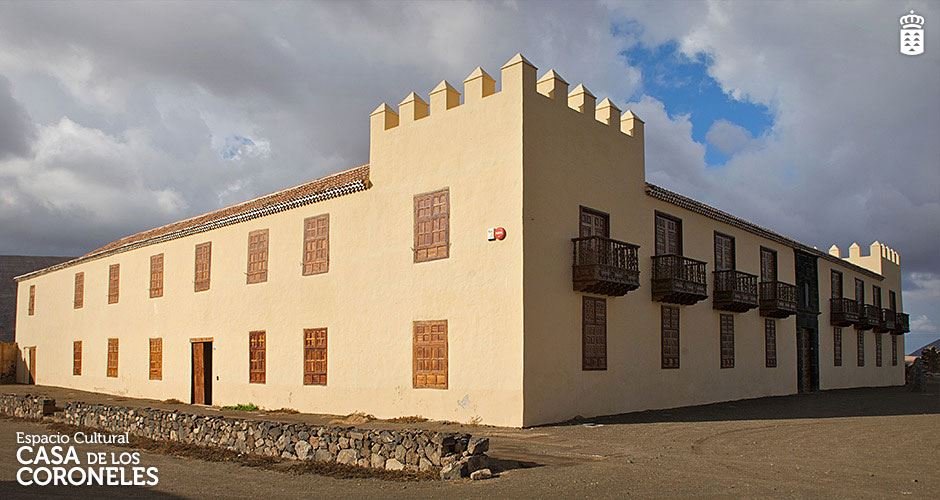
What is Calima
Calima is the local term used to describe an atmospheric phenomenon characterized by the presence of microscopic particles of dust, ash, clay, and suspended sand.
It is usually accompanied by warm air, causing a rise in temperature and creating a sometimes stuffy and oppressive environment.
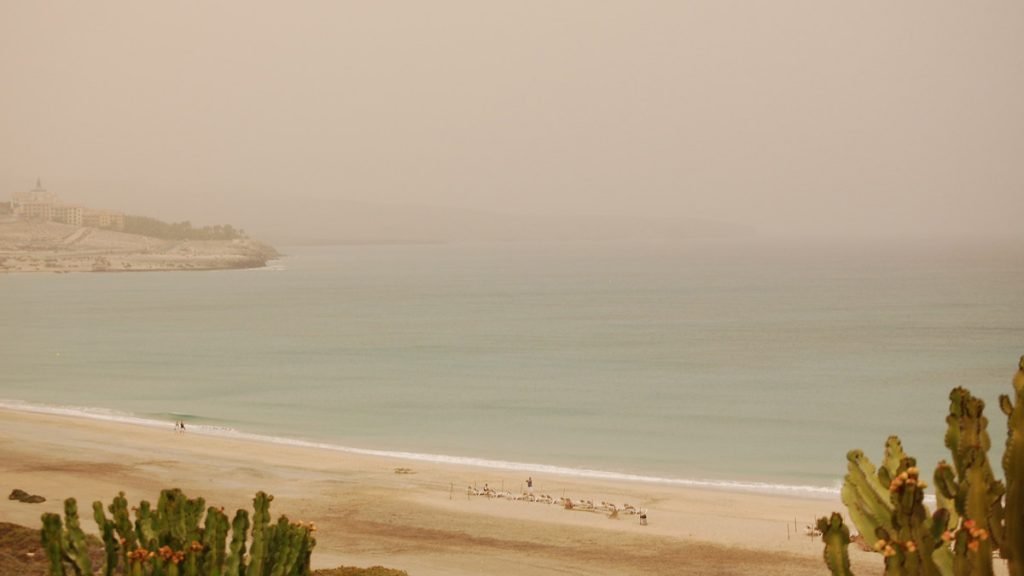
Calima reduces visibility, sometimes significantly
How Calima forms
Most of the mineral particles that make up Calima originate from ancient African rivers, now dry, whose beds are rich in silt and clay. One of the main sources is the vast depression in the Bodélé region, located north of Lake Chad.
These sediments are lifted into suspension by the breeze or by convective air processes generated by the high ground temperature. The effect is similar to a natural vacuum cleaner, creating an upward airflow from the ground that carries the particles with it.
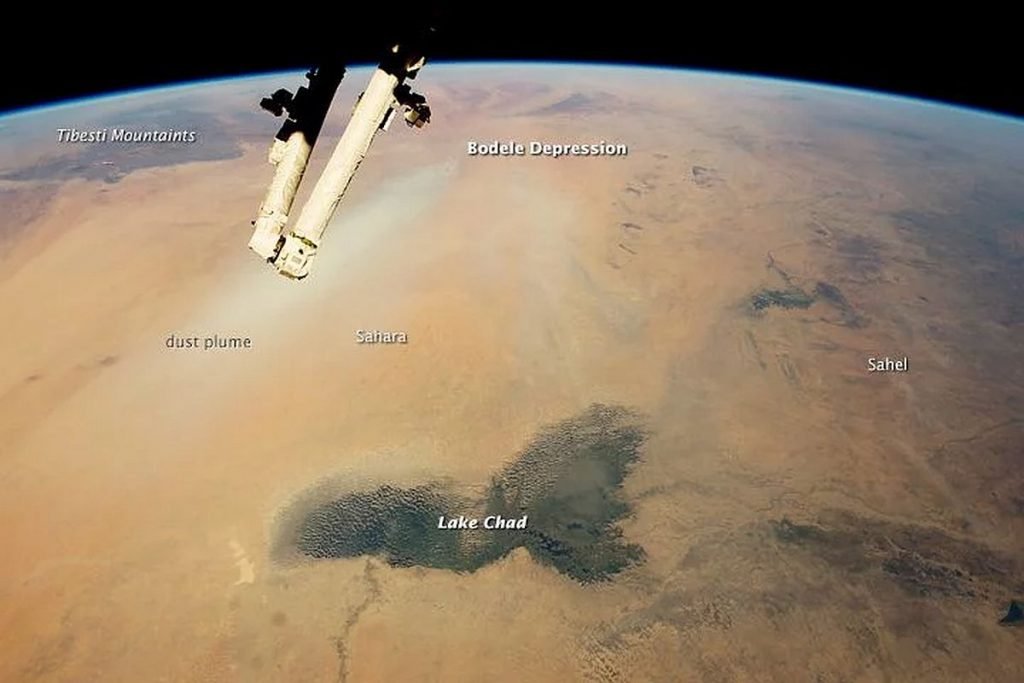
The Bodélé Depression north of Lake Chad
Health effects of Calima
Calima can have a negative impact on health, especially if it persists for several days. The winds, in addition to sand and dust, can carry microscopic particles of bacteria, pollen, fungi, and pollutants from industries in Morocco, Algeria, and Tunisia.
This can cause symptoms related to respiratory problems and mucosal irritation, such as nasal congestion, itchy eyes, and coughing.
If Calima is intense and persistent, it may lead to bronchospasm (severe breathing difficulties), chest pain, asthma, and even anxiety attacks.
People with respiratory or cardiovascular conditions are advised to stay indoors with windows closed and to wear masks if they need to go outside.
Calima Forecast
On the University of Athens website, you can check the surface particle levels and the dust load evolution for today and the next 5 days.
Here is the link to the forecast.
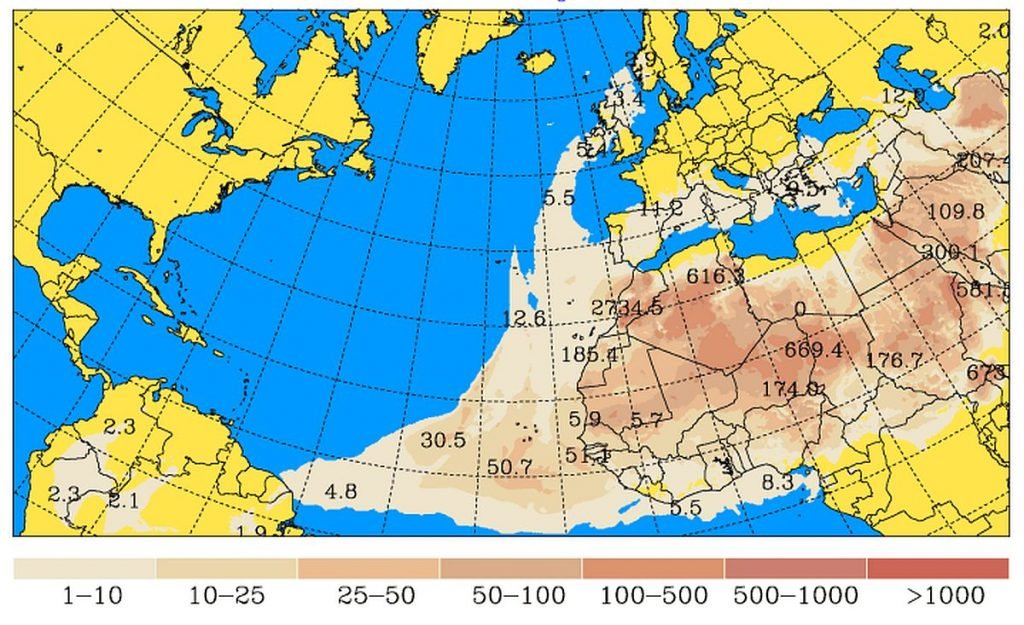
Map showing Calima density
©Fuerteguest. Even partial reproduction of this article is prohibited.